

KEYNOTE SPEAKERS
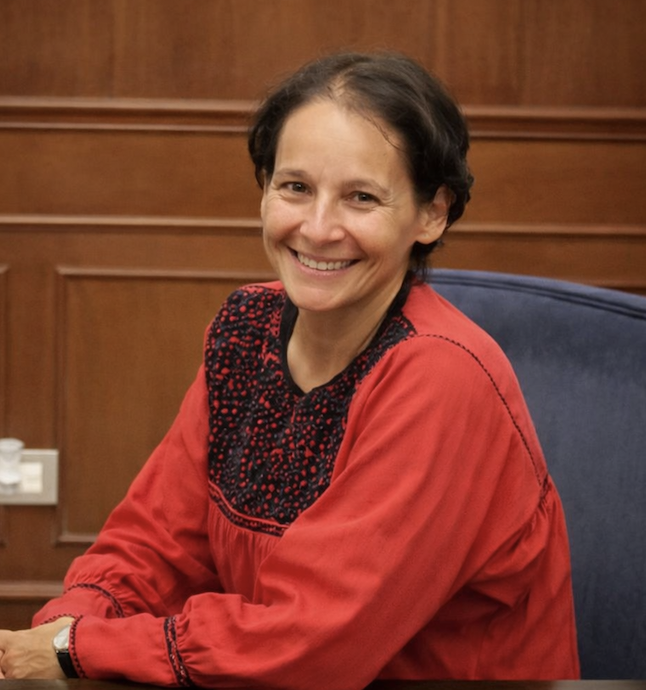
Marcela Ibarra Mateos
Universidad Iberoamericana Puebla
Session theme: Economies for Life: Collective Territorial Experiences Facing the Global Crisis
Independent researcher with a PhD in Social Scientific Studies from the Instituto Tecnológico de Estudios Superiores de Occidente (ITESO). For over 25 years, she has taught undergraduate and graduate courses at Universidad Iberoamericana Puebla, focusing on project design, research methodologies, participatory tools, social movements, migrations, and social and solidarity economy. She currently teaches in the PhD in Habitat and Environment, the Master’s in Social Economy Management, and the Master’s in Communication and Social Change programs.
She has collaborated with rural communities and migrant populations in the U.S., and served as Director of the Laboratory of Social and Economic Innovation (LAINES) at Ibero Puebla (2020–2024). She also coordinated the Master’s in Communication and Social Change and founded the Migration Studies Program in 2001.
Her recent research includes projects on migrant women in cleaning platform cooperatives in New York and food networks in the Puebla-Tlaxcala metropolitan area. She has worked with organizations such as PRONACES-CONAHCYT, Oxfam, and Lehmann College, and is part of regional and global networks for social and solidarity economy. Co-author of “Reactivación desde Abajo. La pandemia y la Sociedad civil en América Latina” (2022), her work centers on vulnerable communities, promoting dignified labor, food sovereignty, and social justice.
Economies for Life: Collective Territorial Experiences Facing the Global Crisis
In the context of a global crisis that directly affects the material conditions of life—food, water, health, and care—this lecture interprets the current moment as a crisis in the reproduction of life, deeply tied to the dynamics of contemporary capitalism.
The presentation focuses on collective experiences emerging from local territories, where organized communities are building concrete alternatives through social and solidarity economy practices, food sovereignty, cooperativism, and networks of production, consumption, and care. These initiatives reveal that it is possible to reconfigure the economy around principles of solidarity, reciprocity, and collective action.
The conference also highlights the importance of articulating diverse actors—families, communities, organizations, institutions, and universities—as a foundation to sustain and expand these transformative processes. Ultimately, it invites reflection on these experiences not only as responses to crises, but as pathways toward more just, equitable, and sustainable common futures.
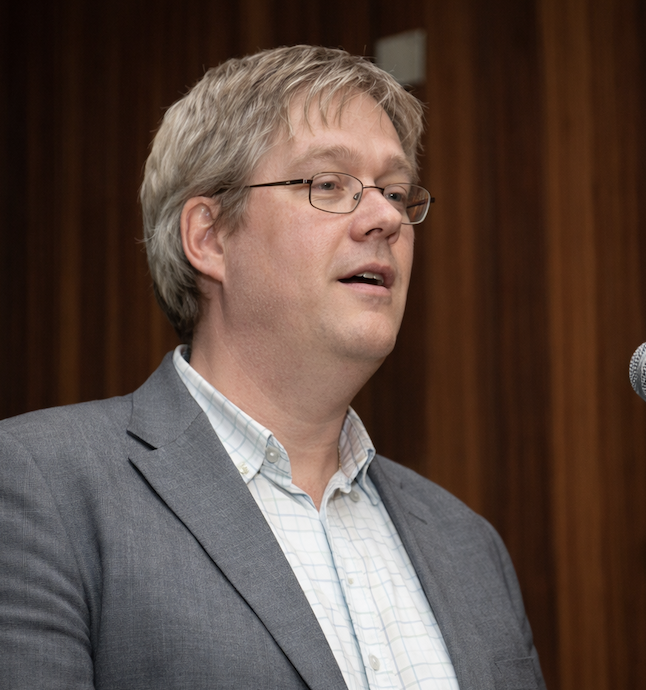
Jeroen F. Warner
Wageningen University (NL)
Session theme: Ecosystem Management for a Sustainable Future
A founder member of the London Water Research Group, Jeroen teaches, trains and publishes on domestic and transboundary water conflict, participatory resource management, and water governance issues.
He took his PhD in Disaster Studies at Wageningen University, the Netherlands in 2008, where he is now a senior Associate Professor. Trained as a political scientist, his main research interests in the disaster management domain are social resilience and participation, the politics of disaster risk reduction in cities and deltas and disaster cultures. On that last theme, Jeroen coordinated the European Horizon 2020 Coordination and Support Action, EDUCEN, on cities, cultures and catastrophes, and currently co-leads the Dutch-Indian LODESTAR project on early warning.
He is a prolific author and editor, with 10 books and over 100 scientific articles to his name, including coauthoring the Water International article of the year 2012. He is the Editor-in-Chief of the International Journal of Water Governance, an associate editor with Regions and Cohesion, an associate editor of Natural Hazards and an editor of the International Journal of Water Resources Development, World Water Policy, Regions and Cohesion and Ambiente e Sociedade.
Jeroen won a CAPES scholarship as Special Visiting Professor at the University of Sao Paulo, Brazil (2015-2017), has been an adjunct professor at the European University of Cyprus, Nicosia since December 2024, and will start an adjunct professorship at Chulalongkorn University, Bangkok this year.
Making Space for the River in theory and practice
In response to “shock” flood events, river restoration and greening of peri-urban and coastal spaces have emerged in the late 1990s as a way to capitalise on natural dynamics, enhancing storage capacity, and restoring natural values, biodiversity, and water quality. River rehabilitation has at times done a remarkable job from a technical perspective, but as a result, water enters the lives and backyards of citizens and economic activities in a way they are not always prepared for. While claiming to be integrative, ‘Making Space’ has tended to be sectoral, and while purportedly participatory, projects have expert-driven, with particular perspectives of nature and landscape futures, flood-risk management, and regional priorities wedded to green engineering methods that can make ‘working with nature’ seem rather symbolic.
Adopting a hydro‑social perspective the keynote looks soft(er) turn — aligned with Building with Nature and adaptive delta management — in heavily engineered river deltas in the Netherlands, the UK and Italy, considering the Po Delta’s potential move from a predominantly hard approach of high levees, continuous pumping, and river training to returning some land to the sea. The challenge is to provide technically credible, socially fair, and financially robust ways of ‘making space’ that involve local stakeholders active partners in shaping the future of delta areas.
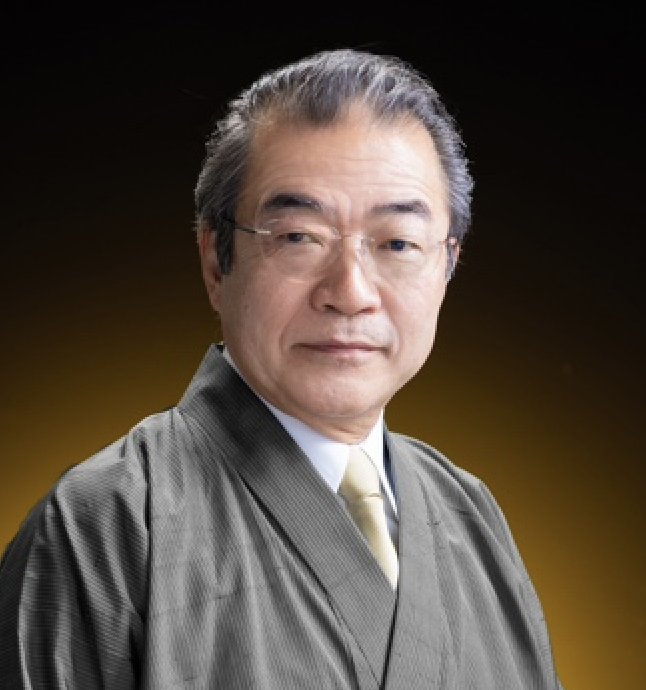
Shigeru Satoh
Waseda University (JP)
Session theme: Facing Crises for Liveable Cities & Resilient Territories
Dr. Satoh (Bsc, MA. Eng., PhD) is Professor Emeritus of Waseda University, council member of ISUF and former Director of Research Institute of Urban and Regional Study, and former President of Architectural Institute of Japan. He has spearheaded the Japanese machizukuri movement (a community-based comprehensive approach to improving built environmental practices) both in theory and actual practice. His basic ideas on urban design and planning are deeply rooted in local potential and inherited cultural context. For the same, he has established a research methodology based on urban morphological method for inner city areas composed of high-density old wooden structures, as well as for historic Japanese castle towns (Joka-machi in Japanese) and historical heritage in Hue, Vietnam. An understanding of the morphological transformational process is critical to contextual urban and community design, he argues. Some contemporary urban design machizukuri practices studied and designed mainly by his laboratory are also presented with drawings maps and illustrated diagrams.
Half a Century of Community-Led Machizukuri. Living with the Contradictions of Nature in the World of Shan–Shui*
This keynote presents machizukuri as a community-led approach to urban and regional practice that has evolved in Japan over the past half century, rooted in a much longer historical experience of living with the contradictions of nature.
In the Japanese context, nature has always been understood as both a source of life—providing fertile land, water, and rich landscapes—and, at times, a source of serious danger through earthquakes, floods, and other disasters. This dual condition is conceptualized as the world of shan–shui (mountain–water).
Machizukuri emerged in the late 1960s and 1970s as local communities responded to environmental degradation, disaster risks, and the loss of historic environments caused by rapid postwar growth and function-oriented redevelopment. Conventional planning systems, which prioritized infrastructure and disaster prevention while neglecting place-based environmental and cultural values, proved insufficient. In response, residents developed experimental, bottom-up practices that embodied local democracy and collective learning.
The development of machizukuri can be understood in three generations. The first emphasized experimental participation and grassroots democracy. The second expanded collaborative design and co-creation among residents, professionals, and local governments. The third, shaped decisively by post-disaster recovery after the 1995 Hanshin–Awaji Earthquake, advanced comprehensive community-based management through new civic organizations and volunteer networks, forming a “third arm” beyond the state and the market.
As machizukuri matured—developing both its methods and institutional frameworks—and was poised to address the complex challenges of the twenty-first century, Japan encountered the Great East Japan Earthquake of 2011. This disaster not only caused immense physical destruction but also revealed, with greater clarity, the deeper and more systemic challenges that contemporary society faces.
Through the processes of post-disaster machizukuri, we gained a range of important, if modest, insights: how to live with increasingly severe natural conditions, including those intensified by climate change; how communities can come together in solidarity; and how shared narratives of recovery and future life can enable people to overcome crisis.
Situated within Japan’s shan–shui landscapes and layered urban history, machizukuri represents an ongoing effort to live with nature that is simultaneously generous and occasionally hazardous. In an era of climate change, demographic decline, and technological transformation, this keynote argues that machizukuri offers globally relevant insights into resilience—grounded in long-term social learning and place-based coexistence with nature.
* Shan–shui (literally “mountain–water”) is a classical East Asian concept that expresses an integrated understanding of landscape in which mountains, water, and human life are perceived as an interconnected whole. It is not merely a physical description of scenery, but a cultural and philosophical worldview that emphasizes harmony, flow, and the dynamic relationship between human settlement and the natural environment.
The “Shan-Shui World” refers to a comprehensive, integrated environment rooted in the eastern edge of the Eurasian continent, where the warm and humid monsoon climate nurtures lush green mountains and pure flowing waters. Within this natural setting, human life—comprising daily living, production practices, and the environmental technologies that sustainably support them—evolves in harmony with nature. The landscapes shaped by these interactions form a unique cultural aesthetic. Together, these elements constitute a cultural-ecological system where people coexist with nature across generations. This “Shan-Shui World” can be broadly understood as a realization of the concept of “Shan-Shui Ichi-Nyo”—a worldview in which mountains (shan) and waters (shui), nature and humanity, landscape and livelihood are not separate but indivisibly one.
This world encompasses cities and villages, rivers and lakes, satoyama (managed woodlands), and satoumi (coastal commons), forming spaces not only for agriculture, forestry, and fisheries, but also for intellectual creativity and cultural expression. As our era seeks renewed harmony with nature, this integrated Shan-Shui environment offers rich insights and valuable models for sustainable living and place-making.
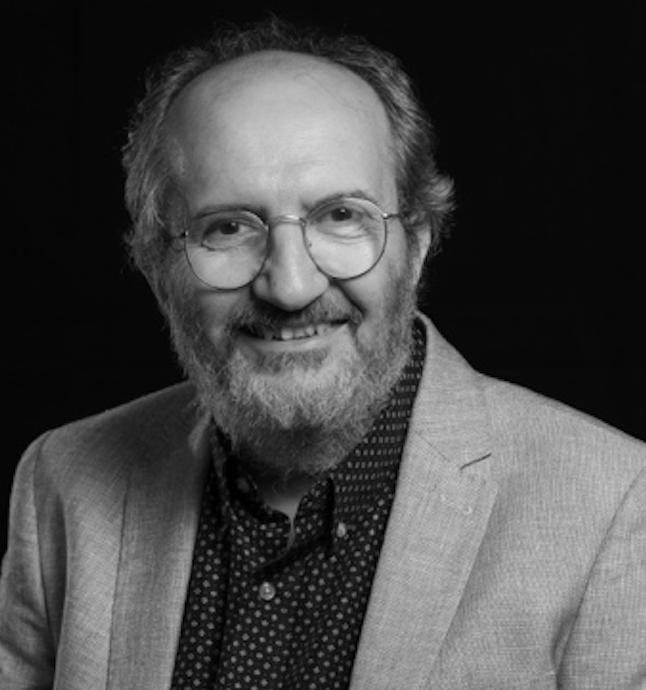
Marco Armiero
University of Santiago de Compostela (ES)
Session theme: Climate Crisis,
Humanities and Action
Marco Armiero (born in Naples in 1966) is a Research Professor at the University of Santiago de Compostela, Spain. He was a postdoctoral fellow at Yale University and Stanford, a visiting scholar at Berkeley and the University of Coimbra (Portugal), and a recipient of the prestigious Barron Visiting Professorship at Princeton (declined). For ten years, he directed the KTH Environmental Humanities Laboratory, helping to establish it as a global hub for research and dissemination.
In 2021, Cambridge University Press published his book Wasteocene: Stories from the Global Dump, which has made a significant contribution to debates on the Anthropocene. The book has been translated into several languages, including Italian, Spanish, French, Chinese, and Bosnian-Croatian-Serbian, with Portuguese and Indonesian editions forthcoming.
With two former students, he also published the first environmental history of Italian fascism, later translated into English by MIT Press and into Spanish by Comares. In 2023, he published La tragedia Vajont. Ecologia politica di un disastro (Einaudi), forthcoming in English with MIT Press (2026).
He is editor-in-chief of Resistance: A Journal of Radical Environmental Humanities and a senior editor ofCapitalism Nature Socialism.
Guerrilla Narrative in the Struggles for Environmental Justice
Environmental injustices are enforced not only through the material violence of corporations—often with the complicity of public authorities—but also through forms of narrative violence. What I call toxic narrative infrastructure refers to the ensemble of stories, representations, and discursive frameworks that render injustice acceptable, normal, or even inevitable. In this sense, the toxicity of the Wasteocene does not affect only bodies, landscapes, and ecosystems; it also permeates the narratives through which people interpret and make sense of their lived realities.
In this talk, I argue that struggles against environmental injustice are always, at the same time, struggles over the control of narrative production. In sacrifice zones, communities are not only resisting material dispossession but are also experimenting with what I define as Guerrilla Narrative: a set of insurgent storytelling practices aimed at exposing, challenging, and ultimately sabotaging toxic narrative infrastructures. These practices do more than counter dominant accounts; they open up spaces for alternative ways of knowing, remembering, and imagining, thereby contributing to the formation of new political subjectivities and collective identities.